

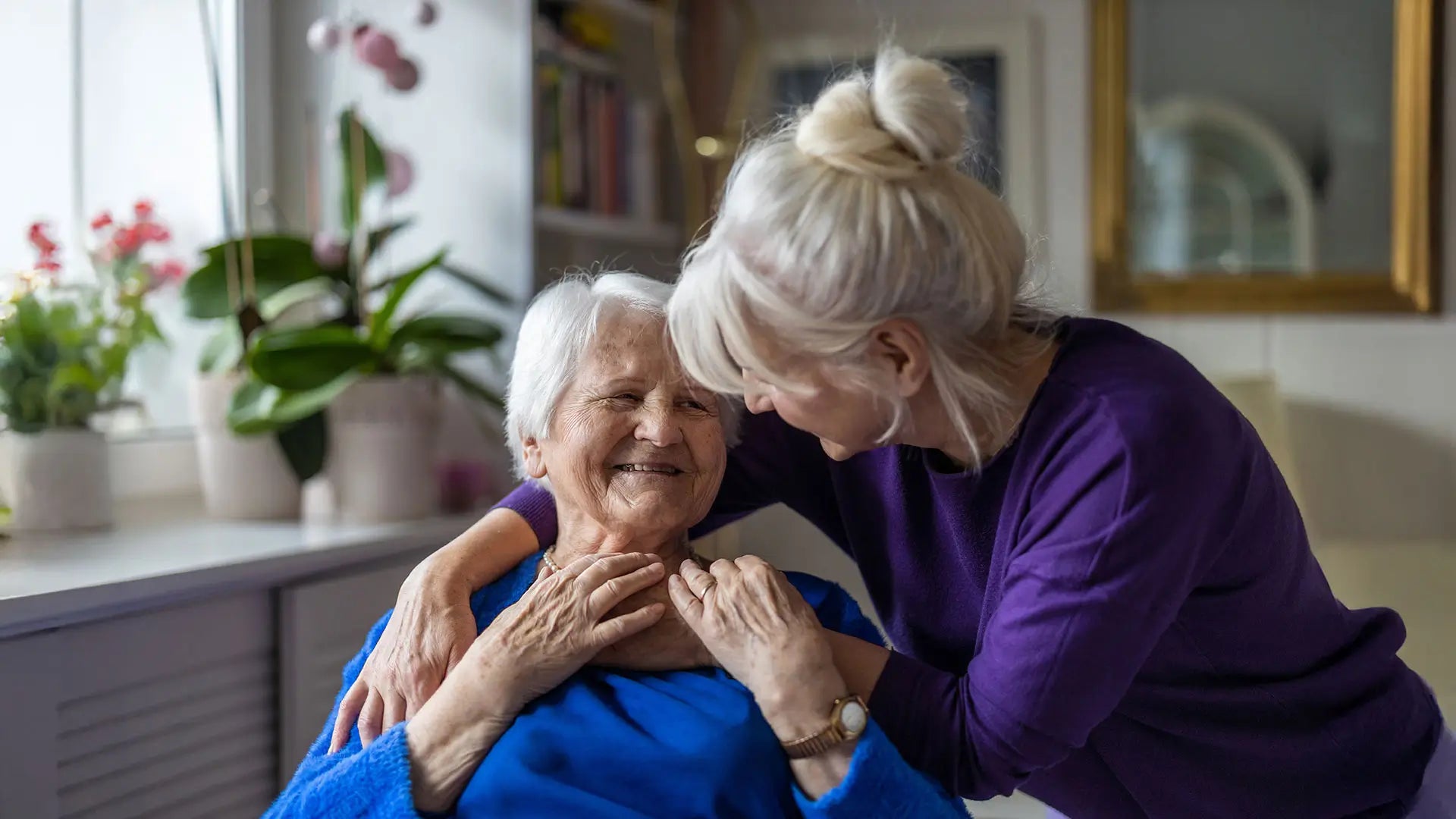
National Caregivers Day honours individuals who selflessly provide personal care, and physical and emotional support to those who need it most. Caregivers are not always paid, which is why it is essential to appreciate and thank them for their long-term commitment.
Challenges Caregivers Face
Caring can be extremely complicated as well as emotionally and physically exhausting. Many carers are in later life themselves. According to Age UK’s research, there are now over 2 million carers aged 65 and over, 417,000 of whom are aged 80 and over.
Isolation. Being a carer can be tiring and isolating. It can be incredibly time-intensive, and it becomes hard to even think about things that were important before becoming a carer. A lack of understanding from friends and family can lead to feelings of loneliness and isolation.
Caregiver burnout. Burnout can be a direct response to isolation. It can be too easy for your life to revolve around caregiving. Failing to make time for yourself can leave you feeling drained, resentful and overstressed. You may feel guilty for taking time for yourself. The stress of caregiving will eventually take its toll on your emotional, mental and physical health.
Little to no professional resources. Lack of resources, especially for caregivers who are most often unqualified family members, can be extremely daunting. It can bring additional stress, particularly if medical decisions have to be made that will affect the health and wellbeing of their loved one.
Financial strain. Over 52% of carers feel anxious about their finances. As many carers are partners or family members, the role is unpaid. Financial strain can be detrimental to a carer’s mental health, with over one in three carers saying they have been, or are, in debt.
No support. A common challenge in caregiving is the lack of support. Caring for an older adult can be exhausting, overwhelming, frustrating, lonely, and often thankless. It’s no wonder so many caregivers struggle with stress-related health conditions.
How can I manage these challenges as a caregiver?
It’s normal to become overwhelmed and confused. As a carer, it is important to remember your health and how to manage or reduce the stress that comes with caregiving.
Take it one day at a time, and read our five tips to help you manage the challenges.
Prioritise what needs to be done first. Make a list and set yourself a realistic to-do list.
Stick to a routine. Daily routines can reduce uncertainty, arguments, and decision-making, decreasing overall stress for both you and your older adult. Creating a regular routine will enable you to feel more in control of your time. You will have structure and a natural flow to each day.
Don’t forget to care for yourself. Self-care is essential to avoid burnout, and you won’t be able to properly care for someone else if you are exhausted and drained. Set aside some time each day to do something you enjoy – have a soak in the bath before bed, or take 30 minutes to enjoy a cup of coffee in peace and quiet. Make sure you stay healthy by eating a balanced diet and getting plenty of rest.
Ask for help if you need it. Feeling like you’re alone in a difficult situation intensifies anxious thinking. Getting support for you as well as those you care for is just as important. You should start by asking your local council/adult social services for a needs assessment for the person you are caring for and a carer’s assessment for you.
Did you know that there is help and support available to everyone, free of charge? It is not means-tested and your income does not matter.
This free care includes:
- some equipment and home adaptations
- benefits
- help after coming home from hospital
- NHS continuing healthcare
- nursing in a care home (NHS-funded nursing care)
Write down your thoughts. Keeping a journal or writing down your thoughts when you’re anxious is a simple but effective way to reduce worry. Writing about caregiving emotions like anxiety reduces the intensity of those feelings. Getting these thoughts out of your head and down on paper helps you feel calmer and less stressed. Seeing your thoughts on paper also gives you a different perspective. That often makes it easier to recognise and change unhealthy thought patterns like distorted thinking.
Online support groups are very useful with like-minded people so you do not need to feel alone. Carers UK offers a local directory, helpline and forum to help you connect with people who understand what you are going through. https://www.carersuk.org/help-and-advice/get-support
Making sure no one has to care alone.



Share:
Managing Every Day While Waiting For Hip Surgery
Keeping Warm and Well This Winter