
Everyone deserves to sit comfortably and feel supported.
If you or someone you care for spends a lot of time sitting — in a wheelchair, a riser-recliner or an ordinary chair — the right cushion helps redistribute body weight, ease discomfort and reduce the risk of pressure sores (also called pressure ulcers or bed sores). A good pressure relief cushion supports better posture and protects the skin over bony areas such as the base of the spine and the hips. Our range spans foam, gel and air cushions to suit different needs and budgets, all eligible for VAT relief with free UK delivery on orders over £15.
How to choose a pressure cushion
The best cushion depends mainly on your level of risk and how long you sit each day. Our guide to choosing a pressure relief cushion walks through the choice step by step. If you are unsure — or if there is already any redness or skin damage — ask a district nurse, occupational therapist or tissue viability nurse to assess you, as higher-risk needs are best matched professionally.
- Foam cushions — comfortable, supportive and good value, suitable for lower-risk users who can reposition themselves. Contoured foam improves stability and posture.
- Gel cushions — a gel layer over foam spreads pressure and helps with heat, a good step up for medium-risk users.
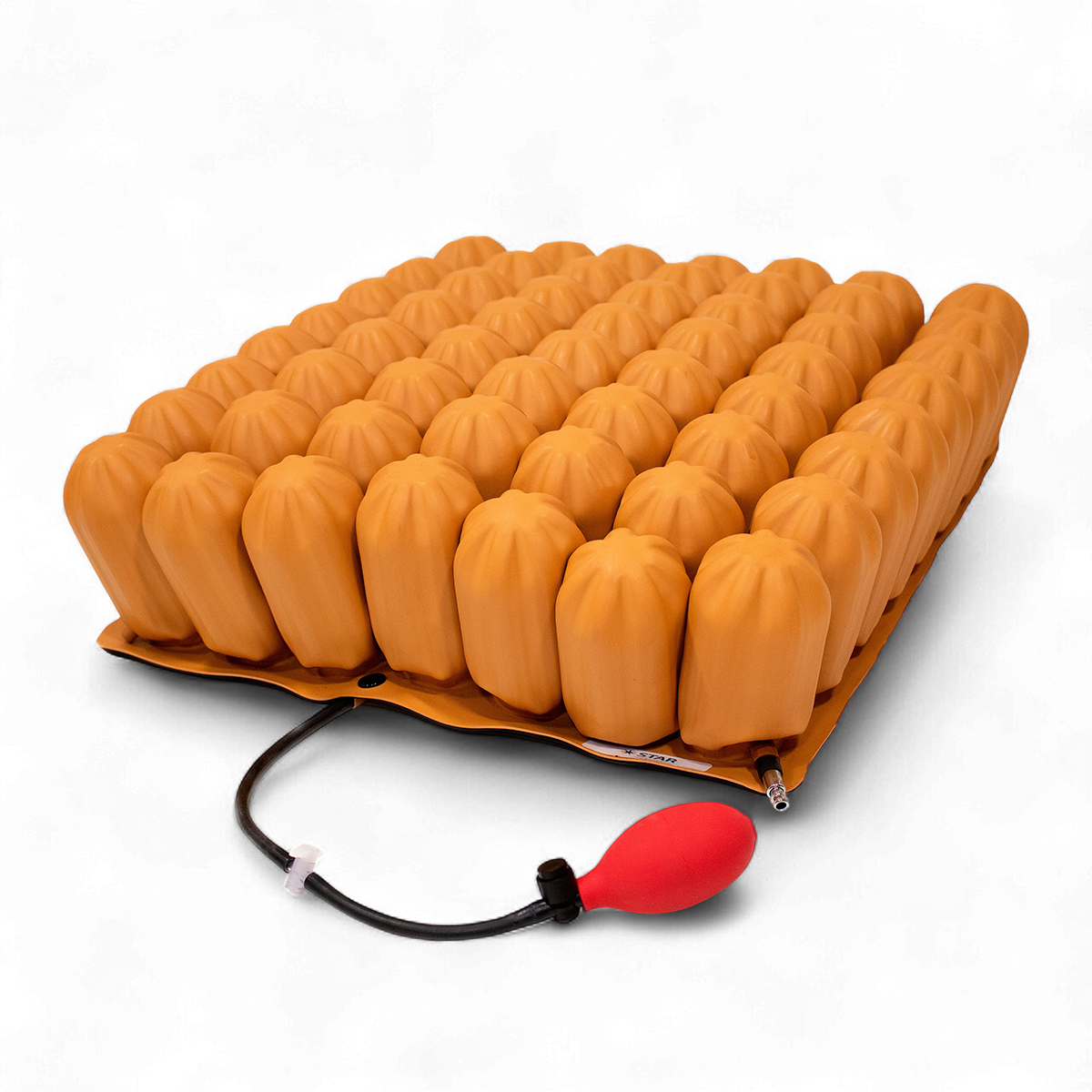
- Air cushions — air-filled cells mould closely to the body and offer the highest level of pressure redistribution, often used for higher-risk users; they need checking and adjusting to the correct inflation.
- Size and fit — match the cushion to the width and depth of your seat or wheelchair so you are fully supported; check the maximum user weight on the product page.
- Cover — a breathable, wipe-clean and ideally waterproof cover keeps the cushion hygienic.
Our pressure cushions
JAY pressure cushions — clinically designed cushions from Sunrise Medical:
- JAY LowZone ECO — a great-value foam cushion for everyday pressure relief.
- JAY LowZone Switch — adaptable foam cushion offering more support.
- JAY LowZone Gel Switch — adds a gel layer for extra pressure spreading and cooling.
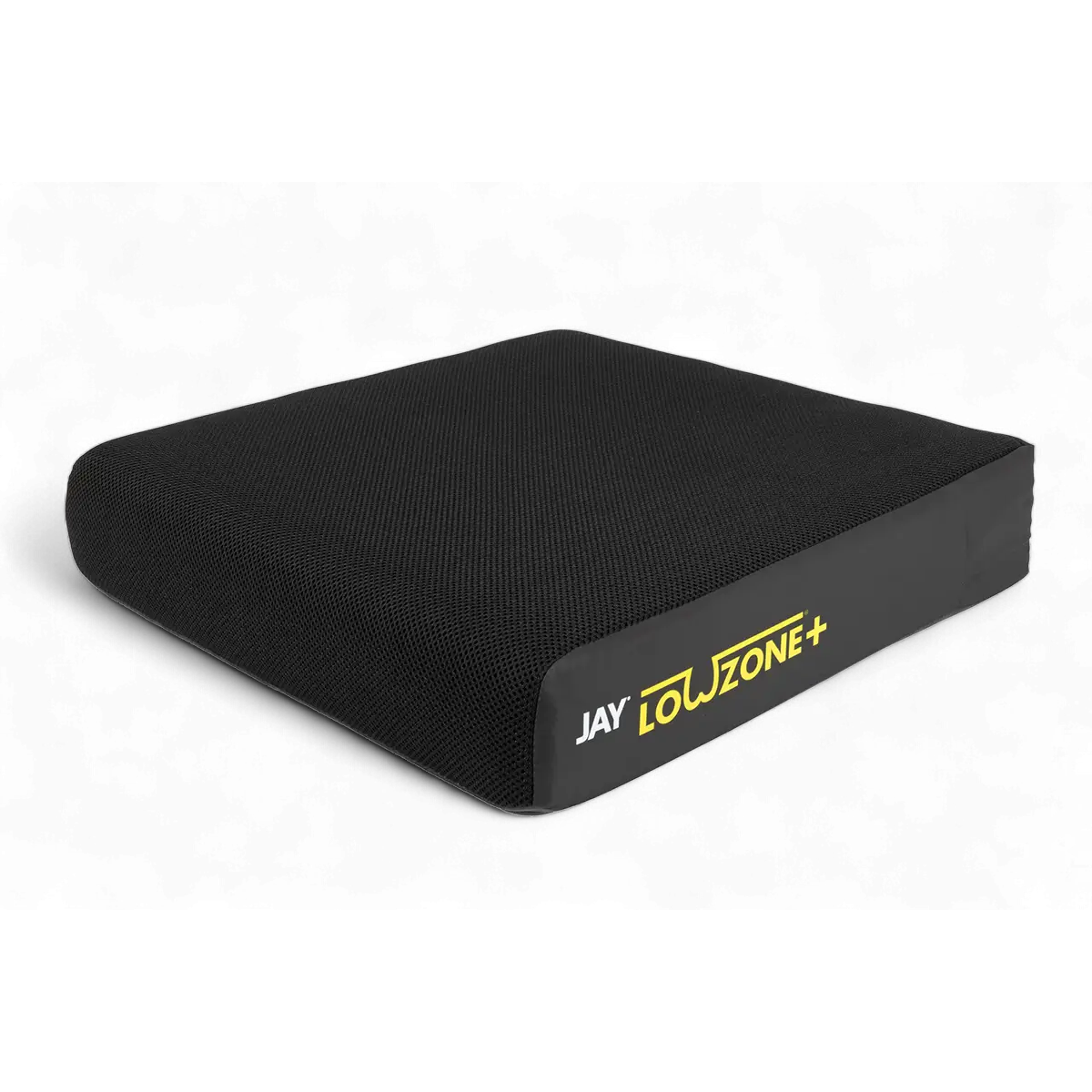
- JAY LowZone+ — enhanced pressure protection for higher needs.
- JAY GelZone — a gel cushion for comfort and pressure relief.
- JAY ClimaZone — designed to manage heat and moisture for cooler, drier sitting.
Air cushions — for the highest level of pressure redistribution:
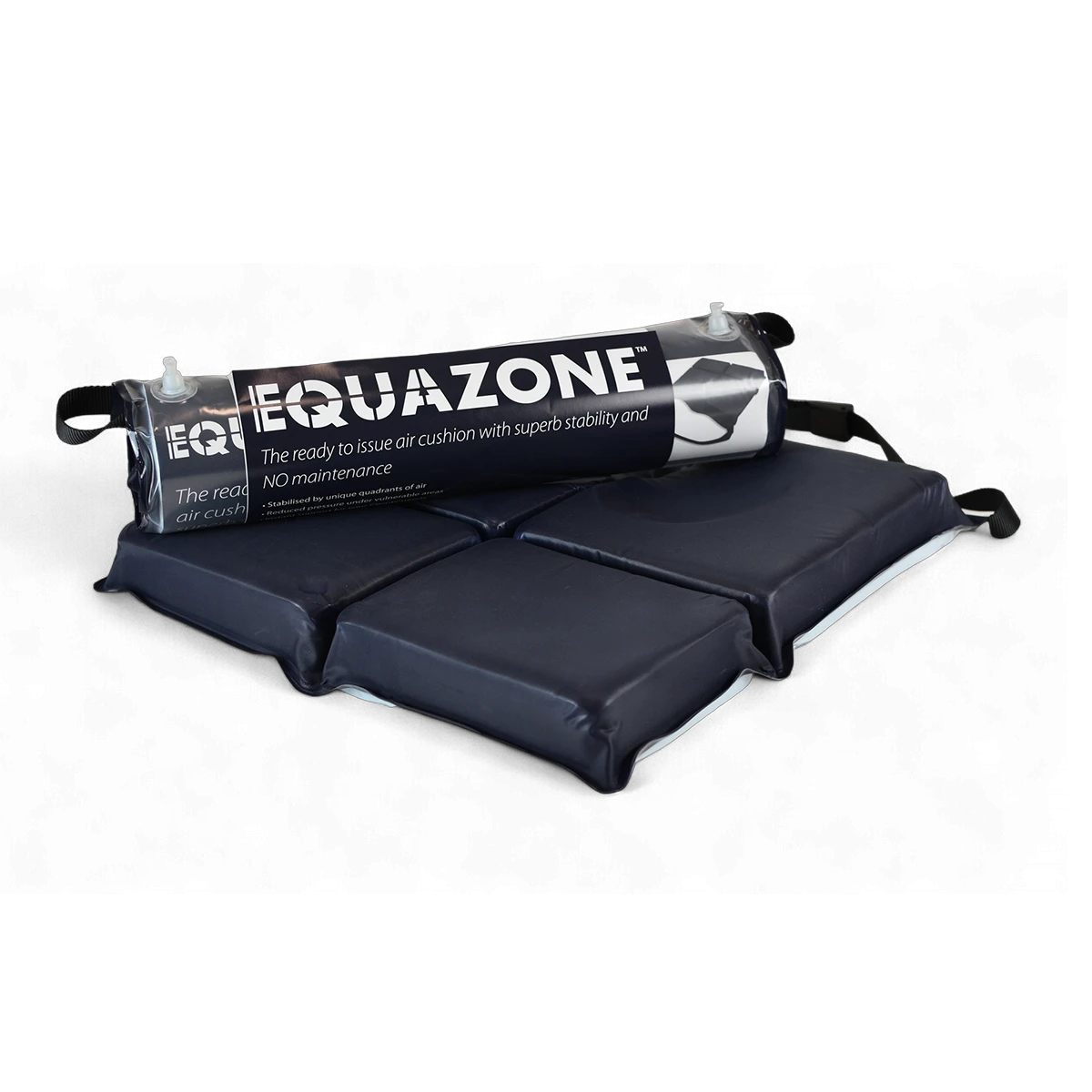
- Equazone Air Cushion — air-cell cushion that moulds closely to the body.
- Starlock Air Cushion — air-cell pressure relief for higher-risk users.
Specialist seating
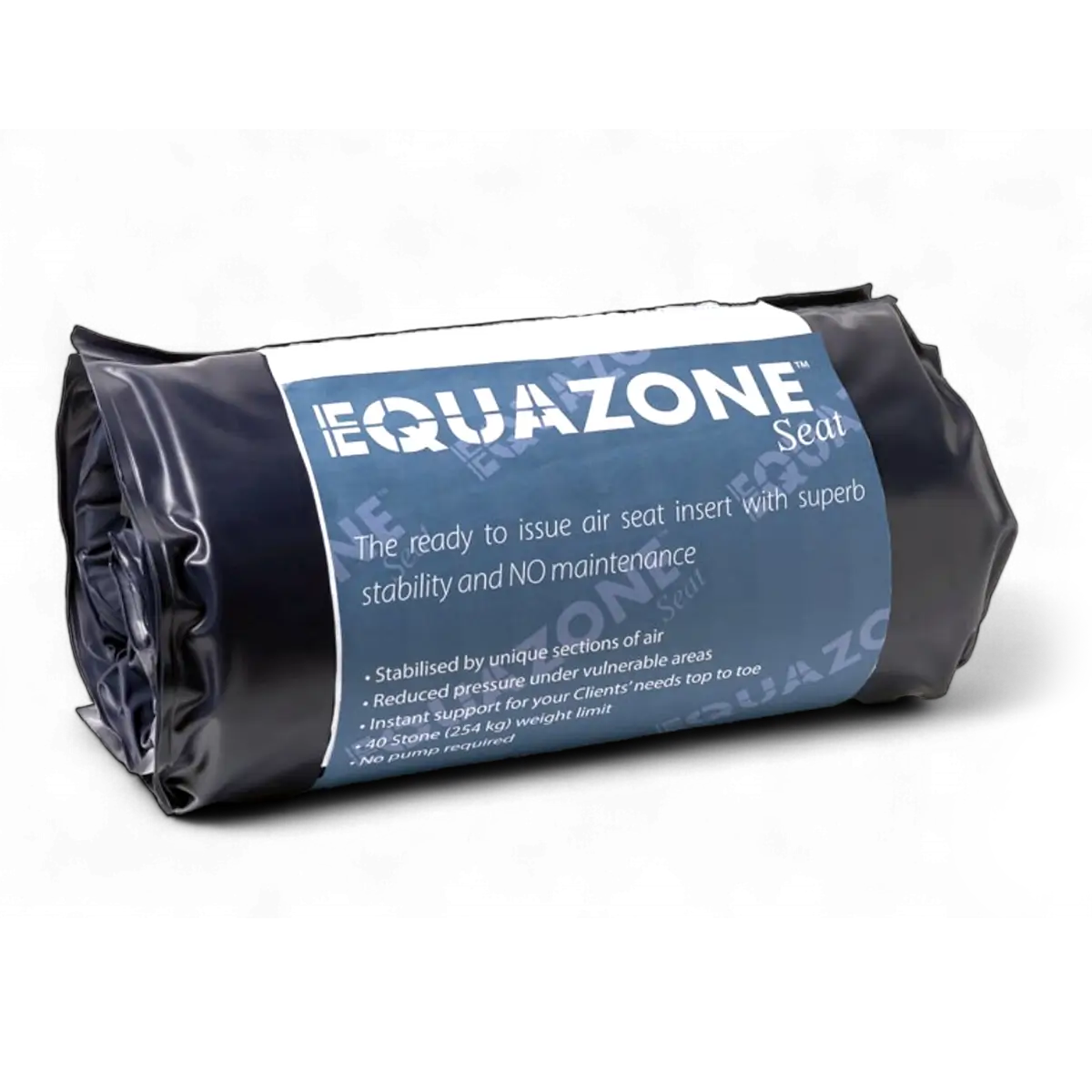
- Equazone Seat — a supportive pressure-relieving seat for more complex needs.
Frequently asked questions
Which cushion is best for preventing pressure sores? It depends on your risk level. Foam suits lower-risk users who can shift position themselves; gel and air cushions give greater pressure redistribution for higher risk. If skin is already red or broken, ask a healthcare professional to assess you before choosing.
Foam, gel or air — what is the difference? Foam is supportive and economical; gel spreads pressure and helps with heat; air moulds most closely and gives the most relief but needs adjusting to the correct inflation.
What size cushion do I need? Measure the width and depth of your chair or wheelchair seat and match the cushion to it, so your thighs are fully supported. Each product page lists sizes and maximum user weight.
Can I buy a pressure cushion VAT-free? Yes — if you are disabled or have a long-term illness you can usually buy VAT-free by completing the short declaration at checkout.
Pressure cushions support comfortable, healthy sitting alongside our wider seating range, and are often used with wheelchairs and after a stroke or surgery. Not sure which cushion is right? Call our friendly UK team on 01531 635678 or email shop@helping-hand.com — we have decades of clinical seating and posture experience, helping people stay comfortable and independent since 1965.