

What is a pressure cushion?
A pressure cushion (also called a pressure relief cushion) is a specially designed seat cushion that reduces your risk of developing pressure sores when you sit for long periods. Pressure sores — also known as bed sores, pressure ulcers or pressure injuries — develop when constant pressure on one area of skin restricts its blood supply, most often over bony points such as the base of the spine, the sit bones and the hips.
A pressure cushion works by redistributing your body weight away from those bony areas and across the fleshier parts of the body, such as the underside of the thighs. The result is healthier skin, better circulation, and far more comfortable sitting.
Who needs one?
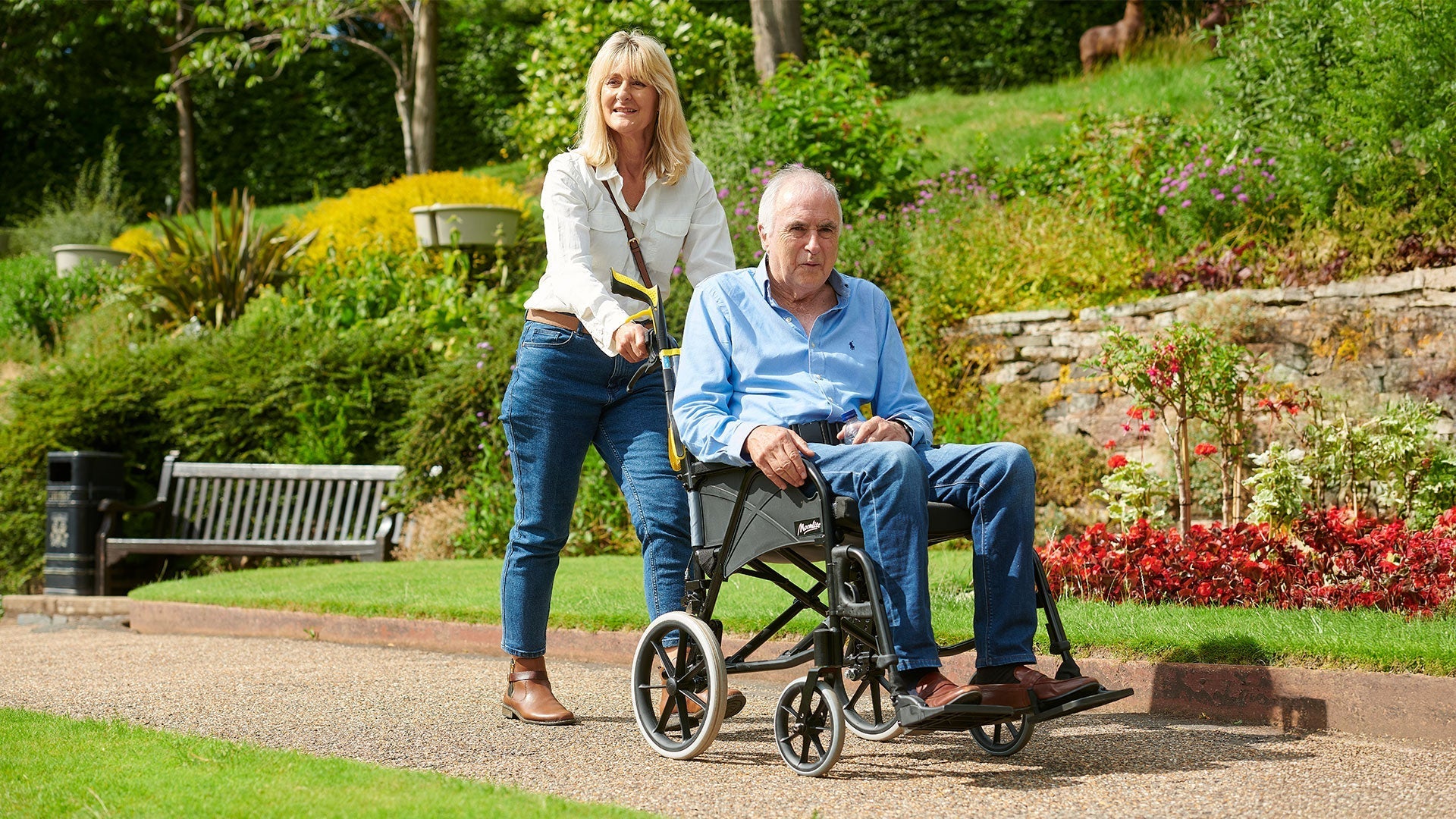
Anyone who spends long periods seated — in a wheelchair, an armchair or a riser recliner — and cannot easily shift their own position is at some risk. You are at higher risk if you have low or no mobility, thin or fragile skin, reduced sensation (so you do not feel the warning discomfort), poor circulation, or you are recovering from illness or surgery that keeps you in a chair for much of the day.
Pressure sores are much easier to prevent than to heal, which is why district nurses and occupational therapists recommend cushions before there is a problem, not after. If skin is already red, broken or painful, ask a healthcare professional to assess you before choosing a cushion — a tissue viability nurse or OT can match the right level of protection to your needs.
Foam, gel or air — what is the difference?
- Foam — memory foam moulds to your shape and spreads weight evenly. Supportive, stable and the most economical, it suits lower-risk users who can reposition themselves.
- Gel — a layer of slow-moving gel works with the foam beneath it to spread pressure further and manage heat. The step up for people already experiencing pressure-related pain.
- Air — interconnected air cells mould closely to the body and give the highest level of pressure redistribution. Used for the highest-risk users, they need checking and adjusting to the correct inflation to work properly.
Match the cushion to your risk level
Our JAY Switch cushions are colour coded by risk, which makes the choice simpler — and their sandwich construction means they can be used any way up, any way round, so they cannot be put on the chair wrongly.
LowZone ECO — low risk

LOW RISK — you are at low risk of developing pressure sores but would like additional comfort in your chair or wheelchair.
The LowZone ECO is our entry-level memory foam cushion, distributing weight evenly across the seated area with temperature-sensitive memory foam that offers all-day support.
- Weight limit: 146 kg (23 st)
- Size: 17″ x 17″ x 3″
- Cover: wipe-down PU
LowZone Switch — medium risk

MEDIUM RISK — you are at risk of developing pressure sores and are starting to experience pressure-related pain.
The LowZone Switch uses high-performance visco-elastic memory foam in a sandwich construction, so it can be used any way up and gives dependable all-day support.
- Weight limit: 146 kg (23 st)
- Size: 17″ x 17″ x 3″
- Cover: wipe-down PU
LowZone GEL Switch — high risk

HIGH RISK — you already have pressure sores or significant pressure-related pain.
The LowZone GEL Switch combines gel and foam working in sync, increasing the pressure-relieving properties, while the slow-moving gel consistency prevents it migrating away from where it is needed.
- Weight limit: 158 kg (25 st)
- Size: 17″ x 17″ x 3″
- Cover: wipe-down PU
Air cushions — for the highest level of need
Where the risk is highest — very limited mobility, existing skin damage, or all-day wheelchair use — an air-cell cushion such as our Equazone Air Cushion gives the closest possible contouring to the body and the greatest pressure redistribution. Air cushions need to be set to the correct inflation for your weight, and it is worth involving your OT or district nurse in the setup. For complex needs, our team can advise on the wider clinical range — call us on 01531 635678.
Getting the size right
Measure the width and depth of your chair or wheelchair seat and match the cushion to it. Your thighs should be supported almost to the knee, without the cushion overhanging the seat edges. Our standard cushions are 17″ x 17″, which fits most wheelchairs and armchairs. Check the maximum user weight on the product page — an overloaded cushion "bottoms out" and stops protecting you.
A cushion is only part of the answer
Even the best cushion does not replace movement. Change position regularly — every 15 to 30 minutes if you can, even slightly — and check skin daily for red patches that do not fade after pressure is removed, particularly over the tailbone, hips and heels. Keep skin clean, dry and moisturised; our long-handled bathing aids help if reaching is difficult. If you spend long periods in bed as well as a chair, ask your nurse about pressure relief for the mattress too.
Frequently asked questions
What is the best cushion for pressure sores? It depends on your risk level. Foam suits low-risk users who can move themselves; gel adds protection once pressure pain has started; air gives the most redistribution for the highest risk. If skin is already broken, get a professional assessment first — the cushion is then part of a treatment plan, not a substitute for one.
Can I use a pressure cushion in an ordinary armchair or riser recliner? Yes — the same cushions work in wheelchairs, day chairs and riser recliners. Just check the size fits the seat.
How long does a pressure cushion last? Foam gradually loses its recovery with daily use. Check it every few months: press it flat and see how quickly it springs back, and replace it if it stays compressed or you can feel the chair through it.
Are pressure cushions available on the NHS? Sometimes, following an assessment by a district nurse or occupational therapist — particularly for wheelchair users and those at high risk. Many people buy their own for speed or to get a specific model; if you are disabled or have a long-term illness you can usually buy VAT-free.
Our pressure cushions
The range covered above. All are eligible for VAT relief, with free UK delivery on orders over £15.
JAY LowZone ECOLow risk — memory foam comfortFrom £27.50View
JAY LowZone SwitchMedium risk — any way up foamFrom £49.99View
JAY LowZone GEL SwitchHigh risk — gel and foam combinedFrom £75.00View
 Equazone Air CushionHighest risk — air cell redistributionFrom £55.00View
Browse the full pressure cushions range, or call our friendly UK team on 01531 635678 — we have decades of clinical seating and posture experience, helping people stay comfortable and independent since 1965.
This guide is general information, not medical advice. If you have existing skin damage, reduced sensation or complex seating needs, please speak to your district nurse, occupational therapist or GP.
Share:
Which Reacher or Grabber Do I Need? Comparing Our Range